
Muscle dysmorphia is a form of body dysmorphic disorder (BDD) involving an intense preoccupation with not being muscular or lean enough. Sometimes referred to as “bigorexia” or “reverse anorexia”, muscle dysmorphia can affect people who exercise regularly, including individuals who are already highly muscular or physically fit.
While having fitness goals or wanting to build muscle is not inherently problematic, muscle dysmorphia goes beyond ordinary concerns about physical appearance. The preoccupation can become intrusive and time-consuming, leading to compulsive exercise, restrictive eating, body checking, avoidance, and significant anxiety or distress.
What Is Muscle Dysmorphia?
Body dysmorphic disorder (BDD) is a mental health condition characterized by persistent preoccupation with perceived flaws or imperfections in appearance. These concerns may focus on the face, skin, hair, body shape, or other physical characteristics.
With muscle dysmorphia, the primary concern is often the belief that the body is not muscular, lean, or defined enough. A person may recognize that others consider them muscular but still feel that their body is inadequate. Muscle dysmorphia can affect both men and women, but research shows that men are especially affected by this subtype of BDD.
Someone with muscle dysmorphia may spend hours thinking about their physique, comparing themselves with others, checking their muscles in mirrors, taking photographs, or researching exercise and nutrition. These behaviors can temporarily reduce anxiety but often reinforce the underlying cycle of preoccupation.
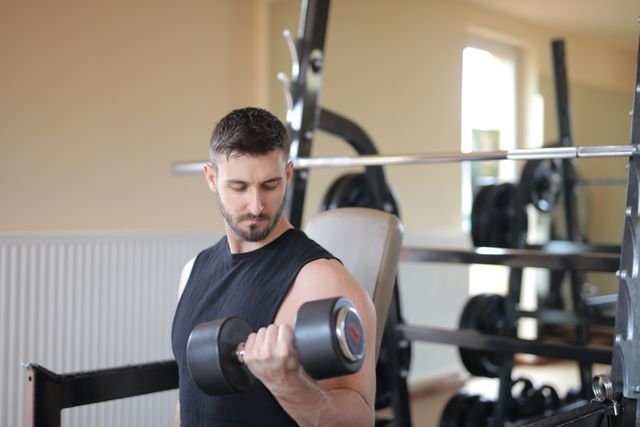
Signs and Symptoms of Muscle Dysmorphia
Muscle dysmorphia can present differently from person to person. Common signs may include:
Excessive or compulsive weightlifting and exercise
Feeling extremely anxious or guilty about missing a workout
Exercising despite injury, illness, or exhaustion
Constantly checking muscles in mirrors or photographs
Comparing one’s body to other people’s physiques
Frequently measuring muscles or monitoring body composition
Following rigid or restrictive eating rules
Avoiding situations where the body may be visible
Wearing oversized clothing to hide perceived physical inadequacies
Seeking repeated reassurance about muscularity or appearance
Spending excessive amounts of time thinking about body size, shape, or muscularity
In some cases, individuals may also use supplements or performance-enhancing substances in an effort to change their appearance.
Muscle Dysmorphia vs. Healthy Fitness Goals
One of the reasons muscle dysmorphia can be difficult to recognize is that many of its behaviors can initially appear healthy. Exercise, strength training, and nutritious eating can all be positive parts of a person’s lifestyle.
The difference is often how much control these behaviors have over someone’s life.
For example, a person may be struggling with muscle dysmorphia if they feel unable to rest despite an injury, experience intense distress when they cannot exercise, avoid social activities because they interfere with their workout schedule, or believe they are never muscular enough regardless of their actual physique.
The problem is not caring about fitness. It is when concerns about appearance become rigid, obsessive, and disruptive.
Treatment for Muscle Dysmorphia and BDD
Fortunately, muscle dysmorphia and body dysmorphic disorder are treatable. Treatment often focuses on reducing appearance-related obsessions and compulsive behaviors while helping individuals develop a more flexible relationship with their bodies.
Cognitive behavioral therapy (CBT) is commonly used to treat BDD, as well as Perceptual Retraining. Exposure and response prevention (ERP), a specialized form of CBT, can also help individuals gradually face appearance-related fears without engaging in compulsive behaviors such as mirror checking, reassurance seeking, comparison, or avoidance.
Treatment may also address perfectionism, anxiety, self-esteem, exercise-related compulsions, and concerns surrounding food and body image.
When Should You Seek Help?
If worries about muscularity or appearance are taking up significant amounts of your time, causing anxiety or shame, or interfering with relationships, work, school, exercise, or everyday activities, it may be time to seek professional support.
Treatment is about developing a healthier and more flexible relationship with exercise, appearance, and your body—rather than allowing appearance concerns to control your life. Reach out to Anxiety & OCD Therapy of Maryland to get started with Body Dysmorphic Disorder therapy, including for this subtype of muscle dysmorphia.
